





















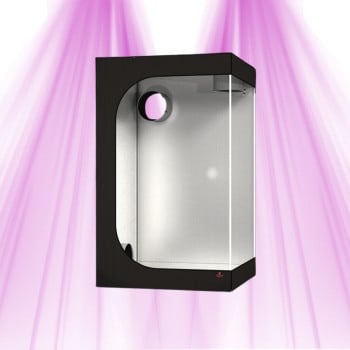











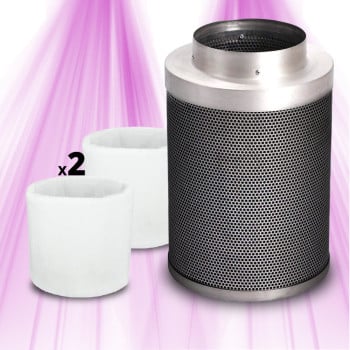


















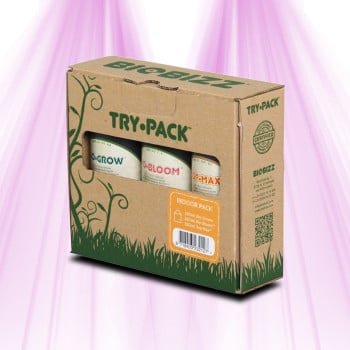
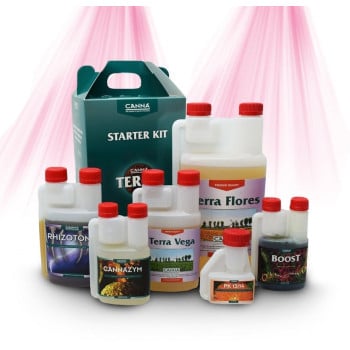


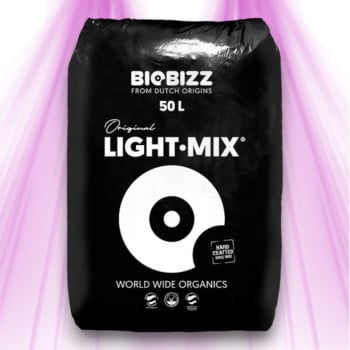
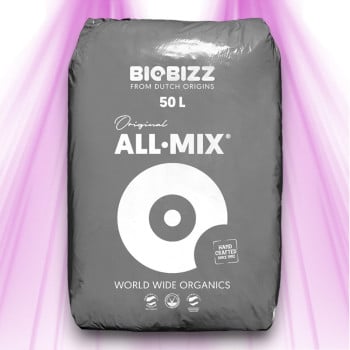
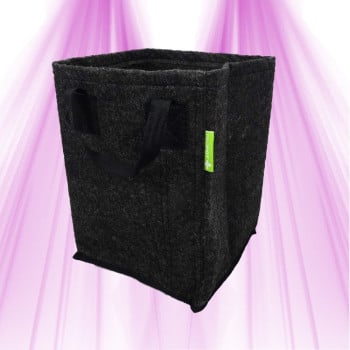

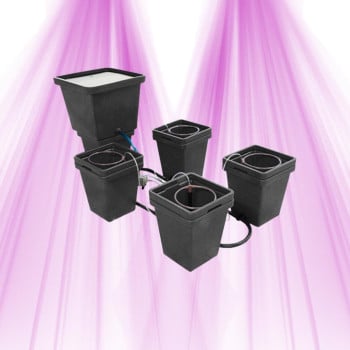
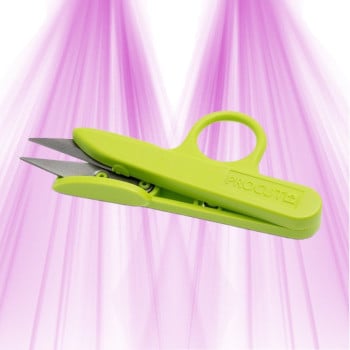
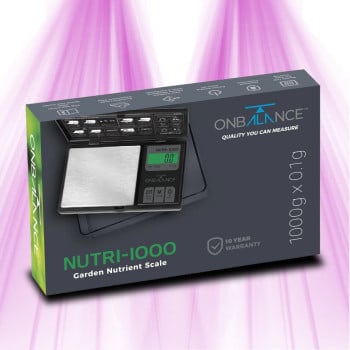



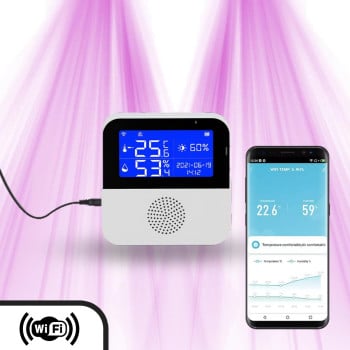

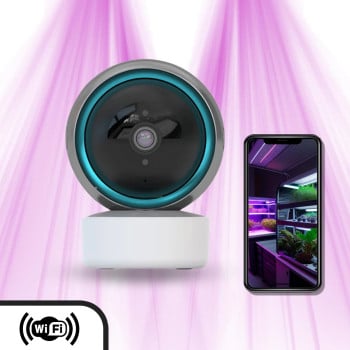


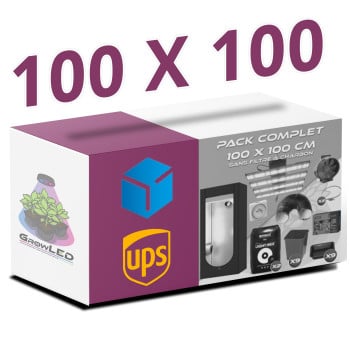
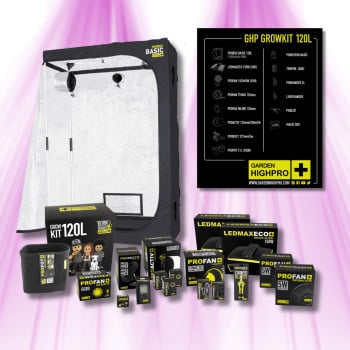
Pack complet 100x100cm – SpectraWild S320 - Hydoshoot 100 - Kit ventilation…
Expédition sous 2 semaines
1 084,64 € 1 205,15 € ou 3× 361,55 €

Produit ajouté au panier avec succès
Ça pousse dans le bon sens

5 produits
Les packs complets sans filtre à charbon 100x100cm - 1m² représentent la solution parfaite pour débuter en culture indoor sans se compliquer la vie. Ces kits regroupent tout l'équipement essentiel : tente de culture, éclairage LED performant et système de ventilation basique. L'absence de filtre à charbon rend ces packs plus accessibles financièrement tout en restant parfaitement adaptés aux cultures qui ne dégagent pas d'odeurs fortes, comme les légumes, aromates ou plantes ornementales.
Avec une surface de culture d'1m², ces installations offrent un espace suffisant pour cultiver 4 à 6 plants de taille moyenne ou une quinzaine de petites plantes aromatiques. C'est l'équilibre parfait entre productivité et encombrement pour un appartement ou une maison.
La ventilation simplifiée constitue le premier avantage de ces packs. Sans filtre à charbon, l'air circule plus librement et le ventilateur travaille moins fort, ce qui réduit le bruit et la consommation électrique. Pour des cultures de légumes comme les tomates cerises, basilic ou radis, cette configuration suffit largement à maintenir une atmosphère saine.
L'aspect économique joue aussi un rôle important. En supprimant le filtre à charbon, ces packs coûtent 80 à 120€ de moins que leurs équivalents avec filtration. Pour un débutant qui veut tester la culture indoor, c'est un investissement plus raisonnable. De plus, pas besoin de changer le charbon actif tous les 12-18 mois, ce qui représente une économie continue.
La simplicité d'installation séduit également les novices. Moins de composants signifie moins de raccordements, moins de risques d'erreur et un montage plus rapide. En général, il faut compter 2h maximum pour assembler complètement un pack 100x100cm sans filtre.
La puissance de l'éclairage LED reste le critère numéro un. Pour 1m², visez entre 200W et 300W de LED full spectrum. Cette puissance garantit une densité lumineuse de 500 à 750 µmol/m²/s, parfaite pour la plupart des cultures. Vérifiez que la LED couvre bien tout l'espace sans zones d'ombre.
Le débit de ventilation doit correspondre au volume de votre tente. Une box 100x100x200cm fait 200L, donc un extracteur de 150 à 250 m³/h convient parfaitement. Cette capacité renouvelle l'air 45 à 75 fois par heure, ce qui maintient température et humidité dans les bonnes plages.
La qualité de la tente influence directement la durabilité de votre installation. Privilégiez des toiles en polyester 600D minimum avec revêtement mylar réfléchissant à 95%. Les armatures en tubes d'acier de 16mm de diamètre supportent mieux le poids de l'éclairage que les tubes de 11mm d'entrée de gamme.
N'oubliez pas les accessoires inclus : sangles de suspension pour la LED, gaines de ventilation, colliers de serrage et timer pour automatiser l'éclairage. Un pack complet doit vraiment tout contenir pour éviter les achats supplémentaires.
Absolument, mais ça dépend de ce que vous cultivez. Pour des légumes, aromates, fleurs ornementales ou jeunes plants, la ventilation basique suffit largement. L'extracteur évacue l'air chaud et humide tout en renouvelant l'oxygène, ce qui maintient un climat sain. Par contre, si vous cultivez des plantes très odorantes en floraison, les odeurs sortiront effectivement de la tente. Dans ce cas, il faudra ajouter un filtre à charbon séparément ou choisir directement un pack avec filtration intégrée.
Pour une LED de 240W comme la Pureled Q240, maintenez 60-80cm de distance en croissance et 40-50cm en floraison. En croissance, les jeunes plants sont plus sensibles à la lumière intense, d'où cette distance plus importante. En floraison, vous pouvez rapprocher la LED pour maximiser la densité lumineuse et booster la production. Surveillez toujours les signes de stress lumineux : feuilles qui jaunissent, se recroquevillent ou blanchissent au sommet. Si ça arrive, éloignez la LED de 10-15cm. Un luxmètre peut aider à mesurer précisément l'intensité.
Commencez par monter la structure de la tente en assemblant les tubes d'armature selon le schéma fourni. Enfilez ensuite la toile et fixez-la avec les velcros. Une fois la tente montée, installez l'extracteur en haut à l'arrière, raccordez la gaine d'évacuation et faites sortir l'air vers l'extérieur de la pièce. Suspendez la LED au centre de la tente avec les sangles fournies, à environ 60cm du sol initialement. Branchez tout sur le timer pour automatiser l'éclairage (18h/jour en croissance, 12h/jour en floraison). Testez le fonctionnement avant d'installer vos plantes.
Pour les tomates, c'est effectivement plus adapté qu'un pack avec filtre. Les tomates ne dégagent pas d'odeurs gênantes, donc le filtre à charbon ne sert à rien et coûte plus cher. De plus, sans filtre, la ventilation est plus efficace, ce qui aide à prévenir les maladies fongiques auxquelles les tomates sont sensibles. L'espace d'1m² permet de cultiver 2 à 4 pieds de tomates cerises ou 1 à 2 pieds de grosses tomates. Par contre, si vous envisagez de cultiver d'autres plantes plus odorantes plus tard, un pack avec filtre sera plus polyvalent sur le long terme.
Nettoyez le ventilateur tous les 3-4 mois en démontant le carter et en aspirant les pales avec un pinceau souple. Évitez l'eau sur le moteur. Pour la tente, passez un coup d'éponge humide avec un peu de savon doux sur les parois intérieures entre chaque cycle, surtout si vous avez eu des problèmes de moisissures. Laissez sécher complètement avant de replanter. Vérifiez aussi l'état des fermetures éclair et des velcros, et remplacez-les si nécessaire. Un entretien régulier prolonge la durée de vie de votre matériel et évite la propagation de maladies d'un cycle à l'autre.
Existe en 3 modèles
Existe en 2 modèles
Aide & conseils
Sur 100cm x 100cm - 1m² — cliquez une question pour voir la réponse.
Pour une tente de 100x100cm, je recommande généralement une puissance LED d'environ 250W à 350W réels. C'est l'idéal pour couvrir efficacement toute la surface et assurer une bonne pénétration lumineuse, que ce soit pour la croissance ou la floraison. Une puissance trop faible limiterait le potentiel de vos plantes, tandis qu'une puissance excessive serait inutilement coûteuse et pourrait même stresser vos cultures si mal gérée.
L'installation d'un pack complet 100x100cm est assez simple. Je commence toujours par monter la tente en suivant les instructions fournies, c'est la base. Ensuite, j'installe l'éclairage LED en le suspendant grâce aux attaches prévues, puis le système de ventilation. Je vous conseille de positionner l'extracteur en haut de la tente pour évacuer l'air chaud. N'oubliez pas de brancher le tout sur un programmateur pour gérer les cycles lumineux. J'explique d'ailleurs le montage de packs similaires dans cette vidéo.
La distance idéale entre votre lampe LED et les plantes varie selon la puissance de votre éclairage et le stade de développement des plantes. En général, je conseille de commencer à environ 40 à 60 cm des jeunes pousses et de réduire progressivement cette distance à 30-40 cm pendant la floraison pour optimiser l'intensité lumineuse. L'important est d'observer vos plantes : si les feuilles jaunissent ou se recroquevillent, la lumière est trop intense ; si elles s'étirent, elle est trop faible.
Un pack complet sans filtre à charbon pour 1m² est une solution économique et simplifiée pour débuter en culture indoor. Son rôle principal est de fournir tout l'équipement essentiel – tente, LED, ventilation – pour cultiver dans un espace contrôlé. L'absence de filtre à charbon signifie qu'il est idéal si vous n'avez pas de contraintes d'odeurs ou si vous cultivez des espèces peu odorantes. C'est une excellente porte d'entrée dans le monde de la culture intérieure sans un investissement initial trop lourd. Nous avons d'ailleurs des options très intéressantes, comme je l'évoque dans cet article.
La principale différence entre LED horticole et HPS réside dans leur efficacité énergétique et leur spectre lumineux. Les LED sont bien plus économes en énergie, produisent moins de chaleur et offrent un spectre lumineux personnalisable, souvent plus adapté aux besoins spécifiques des plantes. Les HPS, quant à elles, sont des lampes à décharge qui chauffent beaucoup et consomment plus, mais elles ont été la norme pendant longtemps. Aujourd'hui, je recommande majoritairement les LED pour leur performance, leur durabilité et leur capacité à être ajustées pour chaque phase de croissance.
Pour savoir si une lampe LED est adaptée à 1m², je vérifie principalement sa puissance réelle (en Watts) et sa surface de couverture recommandée par le fabricant. Comme je l'ai mentionné, pour 1m², une puissance réelle de 250W à 350W est un bon indicateur. Je regarde aussi la répartition de la lumière (uniformité) et le spectre lumineux. Un bon panneau LED pour 1m² doit couvrir la surface de manière homogène sans points chauds excessifs et offrir un spectre complet ou ajustable pour les différentes phases de croissance. Si vous avez des doutes, n'hésitez pas à consulter les fiches techniques détaillées.
Pour la croissance, je privilégie un spectre avec une dominante de bleu, qui favorise un développement végétatif robuste et des entre-nœuds courts. Pour la floraison, un spectre avec une dominante de rouge est essentiel pour stimuler la production de fleurs et de fruits. Beaucoup de LED horticoles modernes proposent des spectres 'full-spectrum' qui couvrent à la fois le bleu et le rouge, parfois avec des ajouts d'UV ou d'infrarouge pour optimiser encore plus les résultats. Certains panneaux permettent même d'ajuster l'intensité de chaque couleur, ce que je trouve très pratique.
Vous ne trouvez pas votre réponse ? 01 88 33 45 52 ou par message.

Satisfait ou remboursé
14 jours

Livraison offerte
dès 89€*

Livraison
24 à 48H

Paiement
sécurisé

Facilités de
paiement

Meilleurs prix
garantis

Garantie
GrowLED

Points de
fidélité


