Humidificateurs pour plantes vertes : l'hygrométrie parfaite pour vos cultures indoor
Les humidificateurs pour plantes vertes sont des équipements indispensables pour maintenir un taux d'humidité optimal dans vos espaces de culture indoor. Que vous cultiviez des plantes tropicales, des aromates ou des légumes en intérieur, ces appareils régulent précisément l'hygrométrie de l'air pour favoriser une croissance saine et vigoureuse. Dans un environnement fermé comme une tente de culture ou une chambre de croissance, l'air peut rapidement devenir trop sec, surtout avec l'éclairage artificiel qui génère de la chaleur.
Pourquoi choisir un humidificateur pour vos plantes vertes
L'humidité relative joue un rôle crucial dans le développement des plantes. La plupart des espèces tropicales ont besoin d'un taux d'humidité entre 60% et 80% pour s'épanouir pleinement. Sans humidificateur, vos plantes peuvent présenter des signes de stress hydrique : feuilles qui brunissent sur les bords, croissance ralentie, ou pire, dessèchement complet des jeunes pousses. Un bon humidificateur permet de créer un microclimat stable qui imite les conditions naturelles de croissance.
Les humidificateurs modernes offrent également un contrôle précis grâce à leurs hygrostats intégrés. Vous pouvez régler le taux d'humidité souhaité au degré près, et l'appareil se déclenche automatiquement dès que l'air devient trop sec. Cette automatisation évite les variations brutales d'hygrométrie qui peuvent stresser vos cultures. De plus, un air correctement humidifié facilite l'absorption des nutriments par les racines et améliore les échanges gazeux au niveau des stomates.
Comment bien choisir votre humidificateur pour plantes vertes
Le choix d'un humidificateur dépend avant tout de la superficie de votre espace de culture. Pour une tente de 1m², un humidificateur de 2 à 3 litres de capacité suffit largement. Pour des espaces plus grands (4m² et plus), orientez-vous vers des modèles de 5 à 8 litres avec un débit de vapeur plus important, généralement exprimé en ml/h. Vérifiez aussi l'autonomie : un réservoir de 6 litres peut fonctionner 12 à 15 heures en continu selon le réglage.
La technologie utilisée influence directement les performances. Les humidificateurs ultrasoniques produisent une brume fine et froide grâce à des vibrations haute fréquence. Ils sont silencieux et économes en énergie, parfaits pour les cultures sensibles au bruit. Les modèles évaporatifs utilisent un ventilateur pour diffuser l'humidité à travers un filtre imbibé. Ils consomment plus d'énergie mais offrent une diffusion plus homogène dans l'espace.
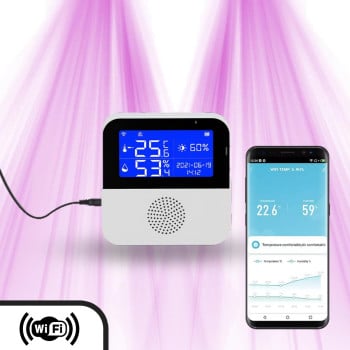
Pensez aussi aux fonctionnalités pratiques : réglage de l'intensité de brumisation, arrêt automatique en cas de réservoir vide, télécommande pour ajuster les paramètres sans ouvrir la tente. Un hygromètre digital intégré vous permet de surveiller en temps réel le taux d'humidité ambiant. Certains modèles proposent même une programmation par tranches horaires, très utile pour adapter l'humidité aux cycles jour/nuit de vos plantes.
Questions fréquentes
Quel humidificateur choisir pour une tente de culture indoor de 1m² avec plantes tropicales ?
Pour une tente de 1m², un humidificateur ultrasonique de 2 à 3 litres avec un débit de 200 à 300 ml/h convient parfaitement. Les plantes tropicales nécessitent 60 à 80% d'humidité relative, donc privilégiez un modèle avec hygrostat intégré pour maintenir automatiquement ce taux. Placez l'humidificateur dans un angle de la tente, à environ 50 cm des plantes pour éviter que les gouttelettes se déposent directement sur le feuillage. Un modèle avec réglage de l'intensité vous permettra d'ajuster finement selon les besoins de vos cultures.
Comment installer un humidificateur près de mes plantes vertes sans risquer la moisissure ?
L'installation correcte d'un humidificateur nécessite une bonne circulation d'air pour éviter les zones de stagnation humide. Placez toujours l'appareil à distance des plantes (minimum 40-50 cm) et orientez le jet de vapeur vers le haut ou sur le côté, jamais directement sur les feuilles. Assurez-vous d'avoir une ventilation active avec un extracteur qui renouvelle l'air régulièrement. Un ventilateur oscillant aide à homogénéiser l'humidité dans tout l'espace. Surveillez quotidiennement l'hygrométrie avec un thermohygromètre : si elle dépasse 85%, réduisez l'intensité ou augmentez la ventilation.
Quelle différence entre un humidificateur ultrasonique et un évaporatif pour le contrôle d'humidité en indoor ?
L'humidificateur ultrasonique utilise des vibrations haute fréquence (1,7 MHz) pour transformer l'eau en micro-gouttelettes, créant une brume froide très fine. Il est silencieux (moins de 35 dB), économe en énergie et produit une humidification rapide et précise. L'humidificateur évaporatif fonctionne avec un ventilateur qui aspire l'air sec à travers un filtre humide, créant une évaporation naturelle. Il consomme plus d'énergie mais offre une diffusion plus progressive et homogène, sans risque de dépôts minéraux. Pour les cultures indoor, l'ultrasonique est généralement préféré pour sa discrétion et son efficacité immédiate.
Faut-il utiliser de l'eau du robinet ou déminéralisée dans l'humidificateur pour éviter les dépôts sur les feuilles ?
L'eau déminéralisée ou distillée est fortement recommandée, surtout avec les humidificateurs ultrasoniques. L'eau du robinet contient des minéraux (calcium, magnésium) qui se transforment en poudre blanche quand l'eau s'évapore, se déposant sur les feuilles et pouvant obstruer les stomates. Cette poudre minérale peut aussi endommager le mécanisme de l'humidificateur à long terme. L'eau déminéralisée coûte environ 1€ le litre en grande surface, un investissement minime comparé aux bénéfices pour vos plantes. Si vous utilisez de l'eau du robinet, nettoyez l'humidificateur plus fréquemment et surveillez l'apparition de dépôts blancs sur le feuillage.
Comment entretenir et nettoyer régulièrement mon humidificateur pour plantes afin qu'il dure longtemps ?
Un nettoyage hebdomadaire prolonge significativement la durée de vie de votre humidificateur. Videz complètement le réservoir et nettoyez-le avec un mélange d'eau chaude et de vinaigre blanc (proportion 3:1) pour dissoudre les dépôts calcaires. Laissez agir 15 minutes puis rincez abondamment. La membrane ultrasonique nécessite un nettoyage délicat avec une brosse douce et du vinaigre dilué. Remplacez les filtres selon les recommandations du fabricant, généralement tous les 3 à 6 mois selon l'usage. Entre deux utilisations prolongées, séchez complètement tous les composants pour éviter la prolifération de bactéries. Un entretien rigoureux garantit un fonctionnement optimal et une vapeur saine pour vos cultures.