Amendements pour culture indoor : boostez vos substrats naturellement
Les amendements sont ces petits plus qui transforment un terreau basique en substrat de champion. En culture indoor, ils permettent d'améliorer la structure du sol, d'optimiser la rétention d'eau et d'apporter une nutrition progressive à vos plantes. Contrairement aux engrais liquides qui agissent rapidement, les amendements travaillent en profondeur sur plusieurs semaines.
Que ce soit pour alléger un terreau trop compact avec de la perlite, enrichir en matière organique avec du compost, ou améliorer la capacité de rétention avec de la vermiculite, chaque amendement a son rôle spécifique dans l'écosystème de votre espace de culture.
Pourquoi utiliser des amendements en culture indoor
La culture en intérieur impose des contraintes particulières à vos substrats. Dans un pot fermé, la terre se tasse rapidement, l'oxygénation diminue et les nutriments s'épuisent plus vite qu'en pleine terre. C'est là que les amendements deviennent indispensables.
La perlite, ces petites billes blanches expansées, crée des poches d'air dans le substrat. Résultat : les racines respirent mieux et le drainage s'améliore drastiquement. Un terreau avec 20% de perlite garde une structure aérée même après des mois d'arrosage intensif.
Les amendements organiques comme le vermicompost ou le fumier composté libèrent leurs nutriments progressivement. Fini les pics de concentration qui peuvent brûler les racines - ici, c'est une nutrition douce qui s'étale sur 6 à 8 semaines. La vermiculite, elle, joue les éponges : elle peut retenir jusqu'à 5 fois son poids en eau tout en restant aérée.
Pour les cultivateurs qui recyclent leurs substrats, les amendements permettent de régénérer un terreau fatigué. Un mélange bien pensé redonne vie à une terre épuisée et évite de racheter du substrat neuf à chaque cycle.
Comment choisir ses amendements selon ses besoins
Le choix d'un amendement dépend avant tout du problème à résoudre. Votre terreau se gorge d'eau et les racines pourrissent ? Direction la perlite ou les billes d'argile expansée. Granulométrie 2-6mm pour un drainage optimal sans que les petites particules remontent en surface.
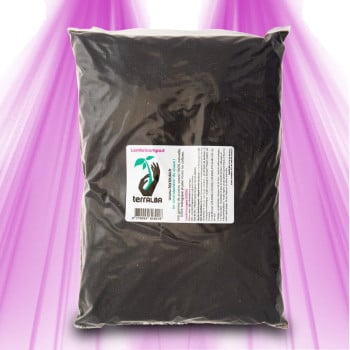
Si c'est plutôt la nutrition qui vous préoccupe, orientez-vous vers les amendements organiques. Le vermicompost apporte un NPK équilibré (environ 1-1-1) plus une ribambelle de micro-organismes bénéfiques. Le fumier de poulet composté, plus riche en azote (3-2-1), convient mieux pour la phase de croissance végétative.
Pour améliorer la rétention d'eau sans sacrifier l'aération, la vermiculite reste incontournable. Elle absorbe l'excès d'eau lors des arrosages copieux et la restitue quand le substrat s'assèche. Pratique quand on part en weekend et qu'on ne peut pas arroser.
La fibre de coco, techniquement un amendement, excelle pour alléger les terreaux lourds. Avec un pH neutre autour de 6,5 et une excellente capacité de rétention, elle se mélange parfaitement aux substrats traditionnels dans des proportions de 20 à 30%.
Questions fréquentes
Quel amendement choisir pour améliorer l'aération du substrat en culture indoor ?
La perlite reste le champion toutes catégories pour l'aération. Ces petites billes volcaniques expansées créent des poches d'air durables dans le substrat. Comptez 15 à 25% du volume total de votre mélange pour un effet notable. Les billes d'argile expansée fonctionnent aussi très bien, surtout en granulométrie 4-8mm. Elles sont plus lourdes que la perlite mais ne remontent pas en surface lors des arrosages. Pour les budgets serrés, le sable de rivière grossier (2-4mm) fait l'affaire, même s'il alourdit le substrat.
Comment bien mélanger les amendements dans mon terreau sans risque de surdosage ?
Le secret, c'est de respecter les proportions et de mélanger à sec avant d'humidifier. Pour la perlite ou vermiculite : maximum 25% du volume total. Pour les amendements organiques comme le compost : 10 à 15% suffisent largement. Mélangez d'abord tous les éléments secs dans un grand bac, puis humidifiez progressivement en brassant. Évitez de dépasser 30% d'amendements au total, sinon vous risquez de déséquilibrer complètement les propriétés physiques du substrat. Un terreau qui contient 40% d'amendements divers ne ressemble plus à un terreau.
Quelle différence entre le fumier de poulet et le vermicompost pour mes plantes ?
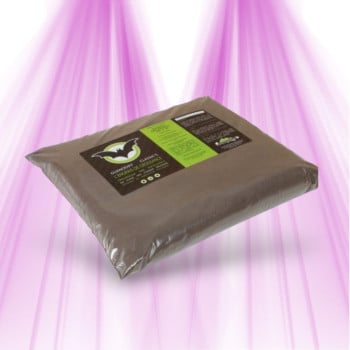
Le fumier de poulet composté est plus riche en azote (NPK environ 3-2-1) et agit plus rapidement, idéal pour booster la croissance végétative. Attention au dosage : 5% du volume maximum, sinon gare aux brûlures racinaires. Le vermicompost, plus doux avec un NPK équilibré autour de 1-1-1, apporte surtout des micro-organismes bénéfiques et des enzymes. Il améliore la structure du sol sur le long terme et peut être utilisé jusqu'à 15% du volume sans risque. Pour un cycle complet, le vermicompost est plus polyvalent, tandis que le fumier de poulet excelle en phase de croissance uniquement.
À quel moment et en quelle quantité ajouter les amendements lors de la préparation du sol ?
Les amendements se mélangent toujours avant la plantation, jamais sur un substrat déjà en place avec des racines. Préparez votre mélange 2-3 jours avant utilisation pour que tout se stabilise. Pour les amendements organiques, respectez ces dosages : vermicompost 10-15%, fumier composté 5%, compost maison 10%. Pour les amendements minéraux : perlite 15-25%, vermiculite 10-20%. Si vous utilisez plusieurs amendements, réduisez proportionnellement chaque dosage. Un substrat avec 15% de perlite + 10% de vermicompost + 5% de fumier donne d'excellents résultats sans déséquilibrer le mélange.
Comment entretenir le substrat amendé entre deux cycles de culture pour le réutiliser ?
Après la récolte, retirez les anciennes racines et passez le substrat au tamis grossier pour éliminer les gros débris. Ajoutez 5% de compost frais ou de vermicompost pour relancer l'activité biologique. Si le substrat s'est tassé, incorporez 5% de perlite supplémentaire. Laissez reposer 2 semaines en maintenant une légère humidité - les micro-organismes ont besoin de temps pour recoloniser le milieu. Évitez de réutiliser plus de 3 fois le même substrat : au-delà, même avec des amendements, la structure physique se dégrade et les risques sanitaires augmentent.