Accessoires de gestion climatique : les petits détails qui font la différence
Les accessoires de gestion climatique, c'est tout ce qui permet de peaufiner votre installation et d'optimiser le contrôle de l'environnement. Colliers de serrage, brumisateurs, régulateurs de vitesse, supports... Ces petits éléments font souvent la différence entre une installation qui fonctionne et une installation qui fonctionne vraiment bien.
Pourquoi investir dans les bons accessoires climatiques
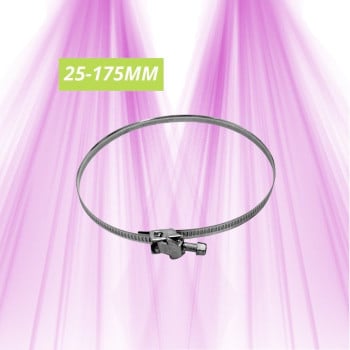
Franchement, c'est souvent sur les détails qu'on se plante. Vous avez le meilleur extracteur du monde, mais si vos gaines se décrochent à cause d'un collier de serrage bas de gamme, ça sert à rien. Le Collier de serrage 25 - 175mm - Idéal pour extracteur d'air par exemple, c'est le genre d'accessoire qui paraît anodin mais qui vous évite les mauvaises surprises. Ajustable de 25 à 175mm, il s'adapte à la plupart des configurations standard.
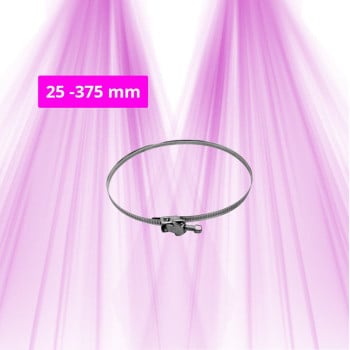
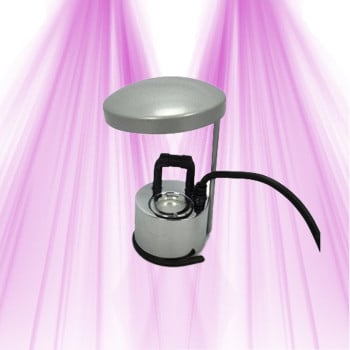
Pour les installations plus costauds, le Collier de serrage 25 - 375mm - Idéal pour extracteur d'air prend le relais jusqu'à 375mm de diamètre. C'est là que ça change tout : un serrage parfait, c'est l'assurance d'un débit d'air constant et d'une étanchéité optimale. Les brumisateurs aussi ont leur importance, surtout quand l'hygrométrie chute. Le Brumisateur à ultrasons Mist Maker - 1 Tête génère une brume fine qui remonte l'humidité sans créer de condensation excessive.
Comment bien choisir ses accessoires climatiques
Première règle : toujours partir de vos besoins réels. Pour les colliers, mesurez le diamètre de vos gaines et prévoyez une marge. Un collier trop petit ne serre pas, un collier trop grand glisse. Pour les brumisateurs, comptez environ 1 tête pour 2-3m² d'espace. Le Flotteur pour Brumisateur 1 cellule maintient votre dispositif à la bonne hauteur dans le réservoir, évitant qu'il touche le fond ou remonte trop.
Pour la ventilation, un Régulateur de vitesse pour ventilateurs vous permet d'ajuster finement le débit selon les conditions. Plus besoin de subir un extracteur qui tourne à fond en permanence. Vous modulez selon la température, l'humidité, ou même l'heure de la journée. C'est particulièrement utile pendant les phases où vos plantes sont plus sensibles aux courants d'air.
Questions fréquentes
Quel support mural choisir pour mon unité extérieure en culture indoor selon la taille de ma tente ?
Pour une tente de 60x60cm à 120x120cm, un support standard en acier galvanisé suffit, avec une charge admissible de 50-80kg. Au-delà de 150x150cm, optez pour un support renforcé capable de supporter 100kg minimum. Vérifiez que les fixations murales correspondent au type de cloison (placo, béton, brique). La distance au mur doit permettre la circulation d'air autour de l'unité, comptez au moins 30cm de dégagement sur les côtés.
Comment installer une goulotte pour cacher les tuyaux d'évacuation des condensats dans ma growroom ?
Choisissez une goulotte PVC de section adaptée au diamètre de vos tuyaux, généralement 20x12mm pour un tuyau de 16mm. Fixez-la en pente descendante vers l'évacuation (2% minimum). Utilisez des clips de fixation tous les 50cm sur mur lisse, tous les 30cm sur surface irrégulière. Prévoyez des coudes pour contourner les obstacles et une trappe d'accès tous les 2 mètres pour l'entretien. La goulotte doit rester démontable facilement.
Quelle housse de protection est la plus adaptée pour protéger mon ventilateur extracteur l'hiver ?
Une housse en polyéthylène haute densité avec traitement anti-UV résiste mieux aux intempéries qu'une bâche basique. Choisissez une taille supérieure de 10cm à votre extracteur pour éviter la condensation par contact. La housse doit avoir des œillets de ventilation en partie basse pour évacuer l'humidité. Évitez les housses étanches qui créent de la condensation interne. En région très froide, ajoutez un isolant mince sous la housse.
Comment entretenir les filtres d'un déshumidificateur pour éviter l'encrassement en indoor ?
Nettoyez les filtres toutes les 2 semaines minimum en culture indoor à cause de la poussière et des particules organiques. Aspirez d'abord la surface, puis lavez à l'eau tiède savonneuse. Laissez sécher complètement avant remontage, l'humidité résiduelle favorise les moisissures. Remplacez les filtres tous les 3-6 mois selon l'usage. Un filtre encrassé réduit l'efficacité de 30% et augmente la consommation électrique.
Quelle différence entre une pompe à condensats standard et une avec capteur pour une tente de culture ?
La pompe standard évacue en continu dès qu'elle détecte de l'eau, pratique mais bruyante. La pompe avec capteur se déclenche selon le niveau d'eau dans le bac, plus silencieuse et économe. Pour une tente, privilégiez le modèle avec capteur et réglage de seuil, vous évitez les démarrages intempestifs. La hauteur de refoulement doit correspondre à votre installation : 3-5 mètres suffisent généralement. Vérifiez la compatibilité avec votre tuyau d'évacuation (diamètre 16 ou 20mm).