Chauffages pour culture indoor : maintenez la température parfaite toute l'année
Le contrôle de la température est fondamental en culture indoor. Quand les températures extérieures chutent, vos plantes vertes ont besoin d'un environnement stable entre 20 et 26°C pour continuer leur développement. Les systèmes de chauffage spécialisés permettent de maintenir ces conditions optimales sans créer de points chauds dangereux ou perturber l'hygrométrie de votre espace de culture.
Pourquoi investir dans un chauffage adapté à la culture indoor
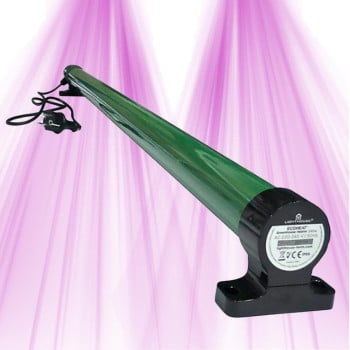
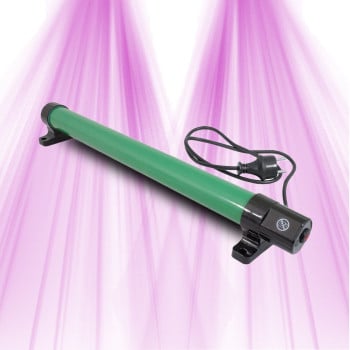
Contrairement aux radiateurs domestiques, les chauffages pour culture indoor sont conçus pour fonctionner dans des environnements humides sans risquer la sécurité. Les radiateurs céramiques diffusent une chaleur douce et homogène, évitant les variations brutales qui stressent les plantes. Les tubes chauffants se placent discrètement le long des parois et chauffent par rayonnement infrarouge, imitant la chaleur naturelle du soleil.
La régulation précise devient cruciale quand on cultive en box fermée. Un écart de 3-4°C peut ralentir la photosynthèse ou favoriser l'apparition de moisissures. Les systèmes modernes intègrent des thermostats digitaux qui maintiennent la température à ±1°C près, bien plus précis qu'un chauffage d'appoint classique.
Pour les racines, c'est encore plus critique. En hydroponie, une solution nutritive en dessous de 18°C bloque l'absorption des nutriments. Les tapis chauffants placés sous les bacs maintiennent cette zone racinaire à 20-22°C, température idéale pour une croissance explosive des racines.
Comment choisir le bon chauffage pour votre installation
La puissance se calcule selon le volume à chauffer et l'isolation de votre espace. Pour une tente de 1m² (soit environ 2m³), comptez 100 à 150 watts selon l'isolation. Une box de 2x2m nécessitera 300 à 500 watts répartis sur plusieurs points pour éviter les zones surchauffées.
Le type de chauffage dépend de votre configuration. Les radiateurs céramiques conviennent aux espaces moyens et grands, avec leur ventilateur intégré qui brasse l'air. Les tubes chauffants s'adaptent aux petites boxes où chaque centimètre compte. Pour les systèmes hydroponiques, les tapis chauffants restent incontournables pour chauffer spécifiquement la zone racinaire.
La sécurité prime : vérifiez que le chauffage dispose d'une protection contre l'humidité (IP44 minimum) et d'un système de coupure automatique en cas de surchauffe. Les modèles avec thermostat déporté permettent de placer la sonde loin de la source de chaleur pour une régulation plus précise.
Questions fréquentes
Quel type de chauffage choisir pour une tente de culture de 1m² en hiver ?
Pour une tente de 1m², un tube chauffant de 80-120 watts suffit généralement. Placez-le en bas de la tente pour créer une convection naturelle, l'air chaud montant vers les plantes. Évitez les radiateurs soufflants qui assèchent trop l'air dans un si petit volume. Un thermostat avec sonde déportée vous permettra de maintenir 22-24°C de façon stable. Si vous cultivez en hydro, ajoutez un tapis chauffant de 20 watts sous le réservoir.
Comment installer un chauffage sans risquer d'endommager mes plantes vertes ?
L'installation correcte évite les brûlures et les stress thermiques. Placez toujours le chauffage à distance des plantes (minimum 50cm) et jamais directement sous elles. Utilisez un thermostat pour éviter les pics de température qui peuvent brûler les feuilles en quelques heures. Créez une circulation d'air avec un ventilateur pour homogénéiser la température dans tout l'espace. Vérifiez quotidiennement que rien n'obstrue le chauffage et que les feuilles ne se rapprochent pas en grandissant.
Faut-il un chauffage pour les racines en culture hydroponique si la température descend sous 18°C ?
Absolument, c'est même prioritaire sur le chauffage ambiant. Sous 18°C, l'absorption des nutriments chute drastiquement et les racines deviennent vulnérables aux pathogènes. Un tapis chauffant de 15-25 watts sous le réservoir maintient la solution nutritive à 20-22°C, température optimale pour l'oxygénation et l'absorption. Cette température favorise aussi le développement des bonnes bactéries qui protègent les racines. Investissez dans un contrôleur de température avec sonde immergeable pour un pilotage précis.
Quelle puissance de chauffage tubulaire pour maintenir 22°C dans une petite box ?
Pour une box de 60x60cm (environ 1m³), un tube de 60-80 watts suffit dans une pièce tempérée. Si la pièce descend sous 15°C, montez à 100-120 watts. La clé est de répartir la chaleur : placez le tube en bas de la box, loin des plantes, et ajoutez un petit ventilateur pour brasser l'air. Un thermostat avec hystérésis de 1°C évitera les cycles marche/arrêt trop fréquents. Mesurez la température à hauteur des plantes, pas près du chauffage, pour un réglage précis.
Comment entretenir un radiateur céramique pour l'utiliser en indoor sans problème d'humidité ?
L'entretien régulier évite les pannes et prolonge la durée de vie. Nettoyez les grilles d'aération chaque semaine avec un pinceau sec pour éviter l'accumulation de poussière qui réduit l'efficacité. Vérifiez mensuellement que l'humidité ne s'accumule pas dans le boîtier, signe d'une étanchéité défaillante. Placez le radiateur sur un support stable, jamais directement au sol où l'humidité est maximale. En cas d'arrêt prolongé, stockez-le dans un endroit sec après un nettoyage complet. Remplacez les filtres s'il y en a tous les 3-6 mois selon l'usage.