Terreaux pour culture indoor : le substrat qui fait toute la différence
Le terreau, c'est littéralement la base de votre culture indoor. Contrairement à ce qu'on pourrait croire, tous les terreaux ne se valent pas quand il s'agit de faire pousser en intérieur. Entre drainage, pH, fertilisation et structure, chaque paramètre compte pour obtenir des plantes vigoureuses et des récoltes à la hauteur de vos attentes.
Pourquoi choisir un terreau spécialisé pour la culture indoor
La culture en intérieur impose des contraintes spécifiques que les terreaux classiques de jardinerie ne peuvent pas gérer. D'abord, le drainage : dans un pot, l'eau stagnante devient vite problématique. Un bon terreau indoor intègre des éléments drainants comme la perlite ou la vermiculite, qui permettent aux racines de respirer tout en conservant l'humidité nécessaire.
Ensuite, il y a la question du pH. La plupart des plantes cultivées en indoor préfèrent un pH légèrement acide, entre 6.0 et 6.8. Les terreaux spécialisés sont formulés pour maintenir cette plage optimale, contrairement aux terreaux universels qui peuvent dériver vers l'alcalin.
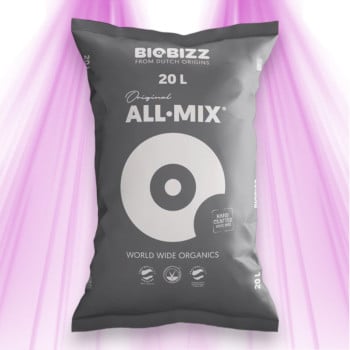
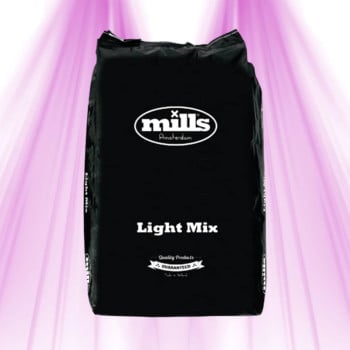
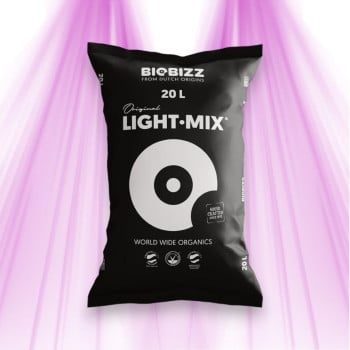
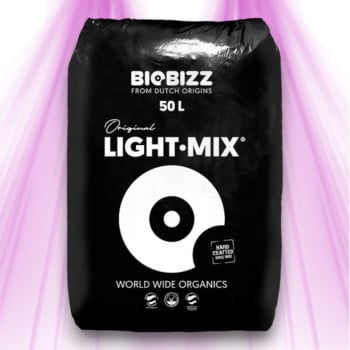
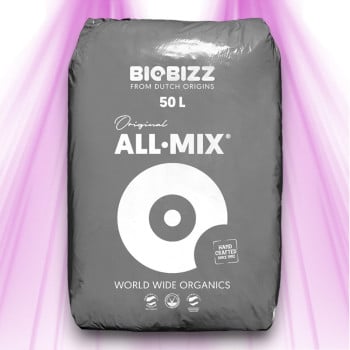
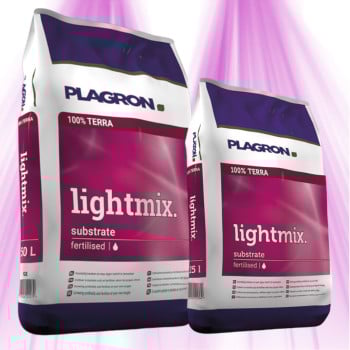
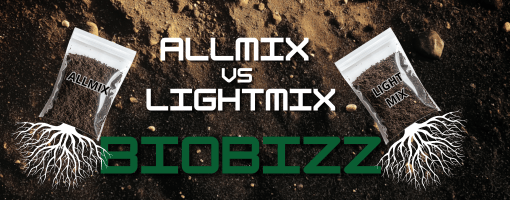
Côté nutrition, c'est là que ça devient intéressant. Vous avez deux écoles : les terreaux "Light Mix" faiblement fertilisés, parfaits pour contrôler précisément l'alimentation de vos plantes, et les "All Mix" préfertilisés qui nourrissent pendant 4 à 6 semaines. Chaque approche a ses avantages selon votre niveau d'expérience et votre méthode de culture.
Comment bien choisir son terreau selon sa méthode de culture
Pour les débutants, un terreau All Mix représente souvent le meilleur compromis. Préfertilisé avec des engrais organiques, il nourrit les plantes pendant leurs premières semaines de vie sans risque de sur-fertilisation. La composition est équilibrée : tourbe blonde, compost, perlite et un cocktail d'engrais organiques dosés au gramme près.
Les cultivateurs plus expérimentés préfèrent souvent les Light Mix. Moins chargés en nutriments, ils permettent un contrôle total de l'alimentation dès le départ. C'est particulièrement utile si vous utilisez des engrais liquides spécifiques ou si vous voulez adapter la nutrition selon les phases de croissance.
Question texture, recherchez un terreau qui reste aéré même après arrosage. Un bon mélange contient environ 20 à 30% de perlite ou d'éléments drainants. Trop compact, votre terreau retiendra l'eau et favorisera les pourritures racinaires. Trop drainant, vous devrez arroser tous les jours.
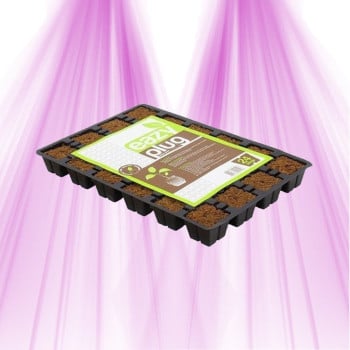
Pour les semis et boutures, privilégiez toujours un terreau light ou spécial semis. Les jeunes racines sont fragiles et n'apprécient pas les concentrations élevées d'engrais qui peuvent les "brûler".
Questions fréquentes sur les terreaux
Quel terreau Light Mix choisir pour mes semis en indoor, All Mix ou un autre ?
Pour les semis, évitez absolument l'All Mix qui est trop chargé en nutriments pour les jeunes pousses. Un Light Mix ou un terreau spécial semis est indispensable : ces substrats contiennent juste ce qu'il faut de nutriments pour les premières semaines sans risquer de brûler les racines fragiles. La concentration en engrais d'un All Mix (EC autour de 1.2-1.4) peut littéralement tuer un semis, alors qu'un Light Mix plafonne à 0.8 EC. Attendez que vos plants aient au moins 3-4 étages de vraies feuilles avant de passer sur un substrat plus riche.
Comment bien drainer mon terreau pour éviter la pourriture des racines ?
Le drainage, c'est 50% du succès en culture indoor. Même avec un bon terreau, ajoutez 10 à 20% de perlite supplémentaire si vous arrosez souvent ou si votre espace est humide. Au fond de vos pots, placez une couche de 2-3 cm de billes d'argile : ça évite que les trous d'évacuation se bouchent avec le terreau. Vérifiez toujours que l'eau s'évacue bien après arrosage - si elle stagne plus de 30 minutes dans la soucoupe, c'est que votre drainage n'est pas suffisant. Un terreau bien drainé doit sécher en surface en 2-3 jours maximum.
Light Mix ou All Mix, lequel est le mieux pour un débutant ?
Pour débuter, l'All Mix est plus sécurisant car il pardonne mieux les erreurs de fertilisation. Pendant 4 à 6 semaines, vous n'avez qu'à arroser à l'eau claire, ce qui simplifie énormément la gestion. Le Light Mix demande plus de rigueur : il faut commencer les engrais dès la 2ème semaine et bien doser selon les besoins de la plante. Par contre, si vous voulez apprendre et progresser rapidement, le Light Mix vous force à comprendre les besoins nutritionnels de vos plantes. C'est plus technique mais plus formateur sur le long terme.
Comment remplir et installer le terreau dans mes pots géotextiles ?
Avec les pots géotextiles, commencez par les placer sur leur support définitif car ils deviennent lourds une fois remplis. Remplissez par tiers en tassant légèrement à chaque étape - pas trop fort, juste pour éviter les poches d'air. Laissez 3-4 cm de marge en haut pour faciliter les arrosages. Le terreau va se tasser naturellement avec les premiers arrosages, c'est normal. L'avantage des pots géotextiles, c'est que les racines peuvent "respirer" à travers la toile, ce qui compense un léger sur-tassage. Arrosez doucement la première fois pour bien humidifier tout le volume.
Jusqu'à quand mon terreau préfertilisé suffit-il avant d'ajouter des engrais ?
Un terreau All Mix de qualité nourrit généralement pendant 4 à 6 semaines, selon la taille de vos pots et la vitesse de croissance de vos plantes. Les premiers signes de carence apparaissent sur les feuilles du bas : jaunissement, puis brunissement des pointes. C'est le signal pour commencer la fertilisation liquide. En pots de 11L, comptez plutôt 6 semaines, en pots de 3L plutôt 4 semaines - logique, plus de terreau = plus de réserves nutritives. Commencez toujours par de faibles doses (1/4 de la concentration recommandée) puis augmentez progressivement selon la réaction de vos plantes.